Background
The Trade and Tourism Thailand (TTT) task force is a specialized, inter-organizational initiative established by the Royal Thai Government. Formed as a strategic alliance between the Ministry of Commerce (MOC) and the Tourism Authority of Thailand (TAT), the TTT was mobilized in response to emerging economic and diplomatic challenges in the Asia-Pacific region, specifically focusing on the Australian market.
Recent shifts in international sentiment have presented a dual challenge: a rising boycott against Thai exports and a noticeable decline in Australian tourist arrivals. Recognizing that trade reputation and tourism appeal are deeply interconnected, the TTT was created to bridge the gap between export policy and global public relations. By unifying the MOC’s mandate for fair trade and the TAT’s expertise in environmental conservation and cultural promotion, the task force aims to restore confidence, rebuild diplomatic bridges, and showcase Thailand’s commitment to sustainable and ethical global partnerships.
Organization Structure
To ensure agile decision-making and comprehensive strategy execution, the TTT task force operates under a streamlined leadership structure, leveraging the specialized expertise of its core members:
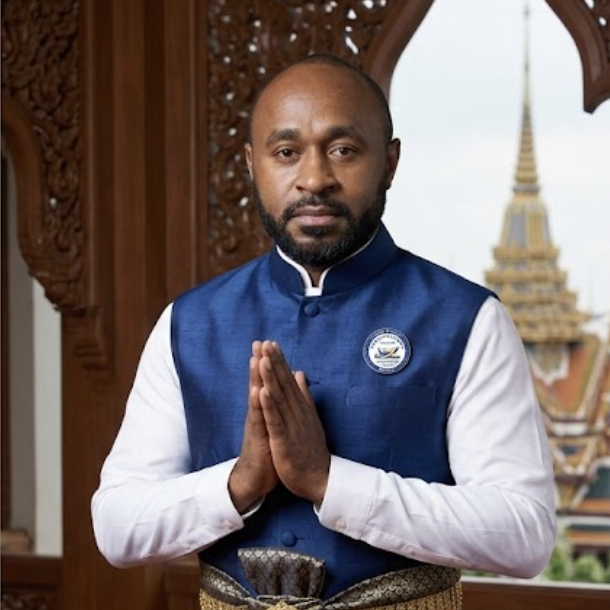
Bryan Nakrakundi | Executive Secretary
Role: The operational backbone of the TTT. Bryan coordinates inter-departmental communications, manages task force logistics, oversees project timelines, and ensures strategic alignment between the MOC and TAT directives.
Background: Originating from Papua New Guinea, Brian offers strong expertise in public administration and regional development within the broader Oceania context. His background managing complex, multi-stakeholder initiatives in the Pacific equips him with the organizational agility required to run a high-stakes task force. Brian excels at bridging bureaucratic gaps, streamlining inter-governmental communication, and ensuring that the high-level strategies of the MOC and TAT are executed efficiently on the ground without operational bottlenecks.
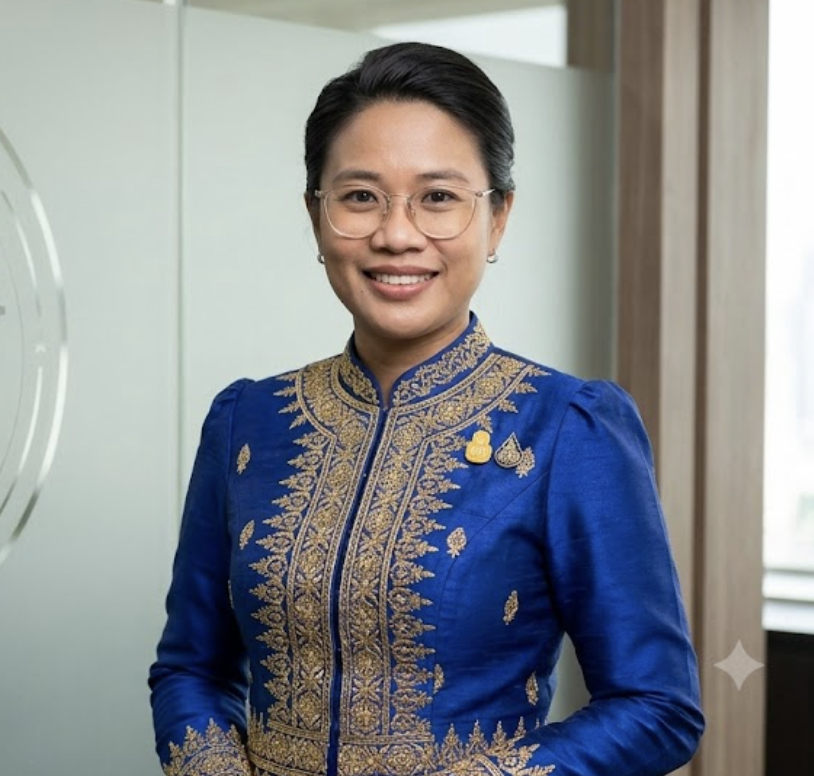
Dwi Mulyaningsih| Trade Development Director
Role: Manages export policies, trade dispute resolutions, and WTO compliance. Dwi is tasked with addressing the root causes of the export boycott, ensuring transparent pricing, and promoting the quality and ethical standards of Thai goods.
Background: As an experienced planner from Bappenas (the Ministry of National Development Planning of Indonesia), Dwi possesses exceptional expertise in macroeconomic strategy and national policy formulation. Her professional background in mapping out long-term economic development goals translates perfectly into the MOC’s mandate to stabilize and grow Thailand’s export sector. She is adept at analyzing supply chains, implementing transparent pricing frameworks, and aligning domestic production standards with rigorous international trade compliance, making her crucial for resolving the current export boycott.
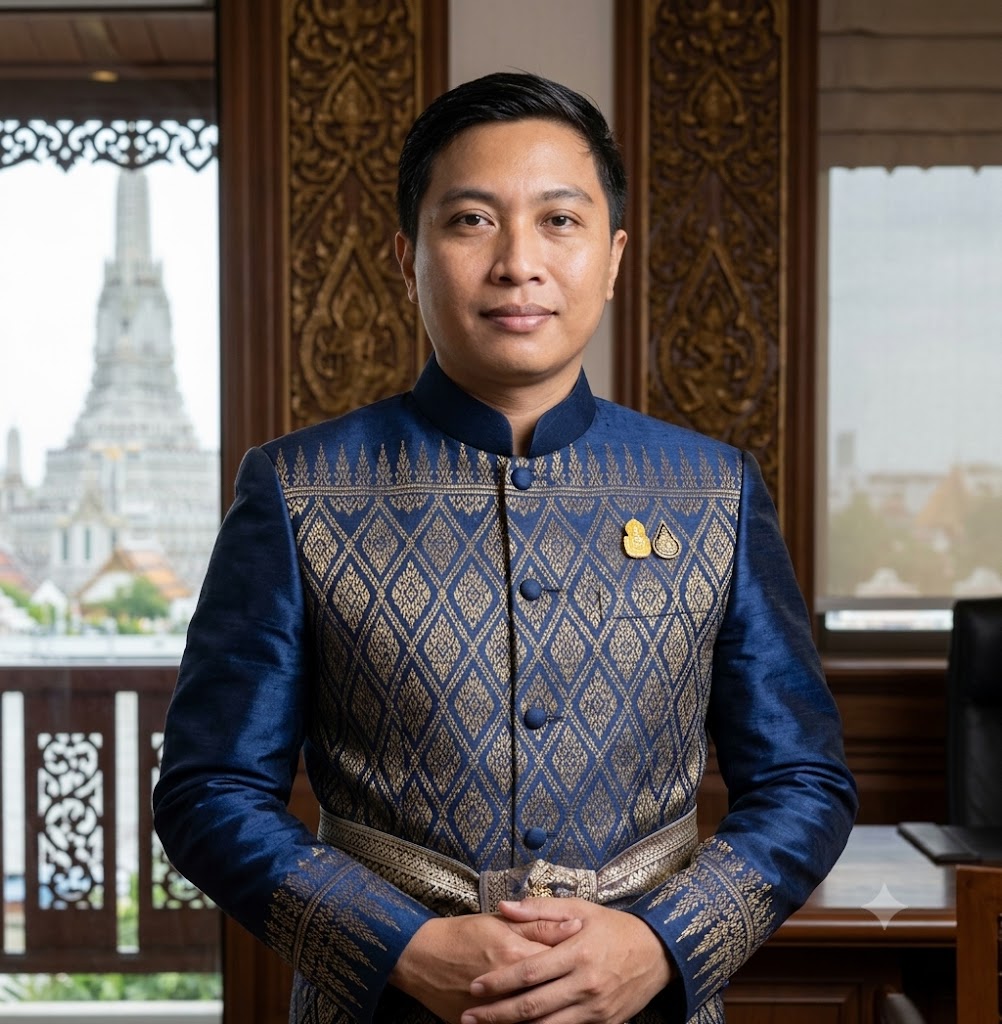
I Wayan Mardana | Tourism Development Director
Role: Directs tourism recovery strategies. Wayan is responsible for rebranding Thailand as a premier, sustainable, and safe destination for Australian travelers, overseeing environmental conservation messaging and tourism promotion campaigns.
Background: As a Balinese professional, Wayan brings a profound, lived understanding of the delicate balance between managing high-volume international tourism and preserving local cultural heritage. He reinforces this intuitive cultural insight with rigorous academic frameworks, currently pursuing Master of International Development Practice in Monash University. Leveraging his expertise in international development, Wayan focuses on architecting sustainable, community-led tourism models. His ability to bridge economic development with eco-tourism, combined with the localized insights he has gained while studying in Victoria, perfectly positions him to design TAT recovery campaigns that resonate with Australian values while ensuring long-term environmental resilience for local communities.
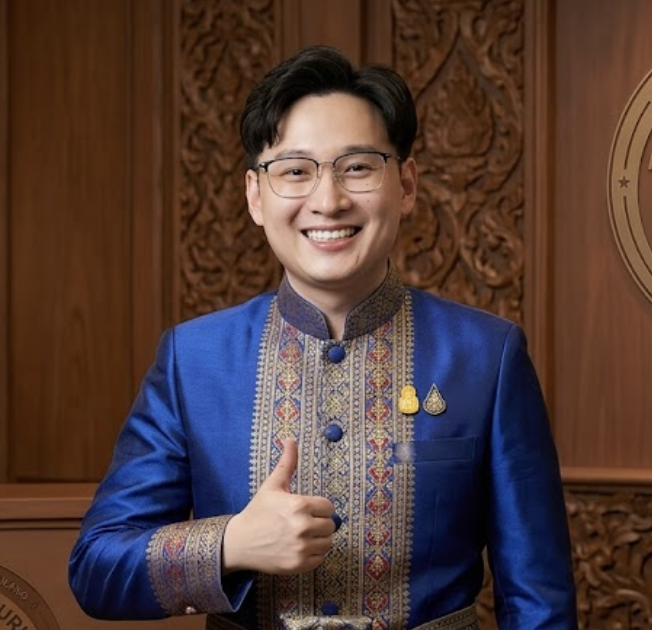
Zhaohuan Wang (Thomas) | Head of International Relations & Foreign Affairs
Role: Leads all diplomatic outreach, cross-border negotiations, and stakeholder communications. Thomas acts as the primary liaison between the Thai task force and Australian government bodies, trade unions, and media outlets.
Background: Hailing from China, Thomas brings a vital East Asian geopolitical perspective to the task force. His background in international diplomacy and cross-cultural communication provides him with a strategic edge in navigating the complex Asia-Pacific political landscape. With a deep understanding of multi-lateral trade relations and regional foreign policy, he is uniquely equipped to de-escalate diplomatic friction, manage sensitive international media narratives, and rebuild trust between Thai exporters and the Australian public.
Vision
To establish Thailand as the Asia-Pacific’s most trusted partner in ethical trade and the ultimate destination for sustainable, world-class tourism, fostering an unbreakable and mutually beneficial relationship with Australia.
Mission
- Resolve and Rebuild: To actively engage with Australian stakeholders to transparently address concerns, quash the rising boycott, and restore unwavering confidence in Thai exports.
- Reinvigorate Travel: To design and launch targeted, high-impact cultural and eco-tourism campaigns that reignite the desire of Australian citizens to visit and experience Thailand.
- Harmonize Policy: To create a seamless operational synergy between the Ministry of Commerce and the Tourism Authority of Thailand, ensuring that trade practices and tourism promotions reflect a unified, positive national identity.
SWOT Analysis of the TTT Task Force
Strengths (Internal)
- Government Authority: Direct backing and resources from two major cabinet-level organizations (MOC and TAT) provide high legitimacy and operational capacity.
- Integrated Approach: Combining trade and tourism allows for holistic problem-solving; an improvement in national brand perception benefits both sectors simultaneously.
- Clear Strategic Focus: A dedicated team with highly defined roles (Diplomacy, Trade, Tourism, Operations) ensures targeted action without bureaucratic bloat.
Weaknesses (Internal)
- Inter-Departmental Friction: Merging the distinct cultures, priorities, and red tape of the MOC and TAT into a single agile task force may cause initial logistical delays.
- Resource Allocation: Balancing the budget and focus equally between quashing an urgent trade boycott and funding long-term tourism campaigns requires precise management.
Opportunities (External)
- Sustainable Rebranding: The crisis presents a unique opportunity to rebrand Thai exports as ethically sourced and Thai tourism as deeply focused on environmental conservation (aligning with TAT’s mandate).
- Diplomatic Dialogues: Utilizing the Head of Foreign Affairs (Thomas) to open new, transparent channels with Australian media and consumer advocacy groups can turn critics into advocates.
- Cross-Promotional Campaigns: Launching initiatives that reward Australian consumers of Thai exports with tourism incentives (e.g., “Buy Thai, Fly Thai” programs).
Threats (External)
- Escalation of Boycott: If immediate diplomatic interventions fail, the boycott could spread from the Australian market to other allied Western nations.
- Aggressive Regional Competition: While Thailand addresses these bilateral issues, neighboring Southeast Asian countries may capture Australia’s outbound tourism and import market share.
- Negative Media Cycles: The speed of social media means misinformation regarding Thai trade practices or tourism safety could outpace the task force’s public relations efforts.